Also known as degenerative joint diseases. OA can affect any joint, but it occurs most often in knees, hips, lower back and neck, small joints of the fingers and the bases of the thumb and big toe.
In normal joints, a firm, rubbery material called cartilage covers the end of each bone. Cartilage provides a soft, gliding surface for joint movement and acts as a cushion between the bones. In OA, the cartilage breaks down, causing pain, swelling and problems in movement of the joint.
As OA degenerate over time, bones may break down and develop growths called spurs. Bits of bone or cartilage may break off and float around in the joint. In the body, an inflammatory process occurs and cytokines (proteins) and enzymes develop that further damage the cartilage. In the final stages of OA, the cartilage wears away and bone rubs against bone leading to joint damage and more pain.
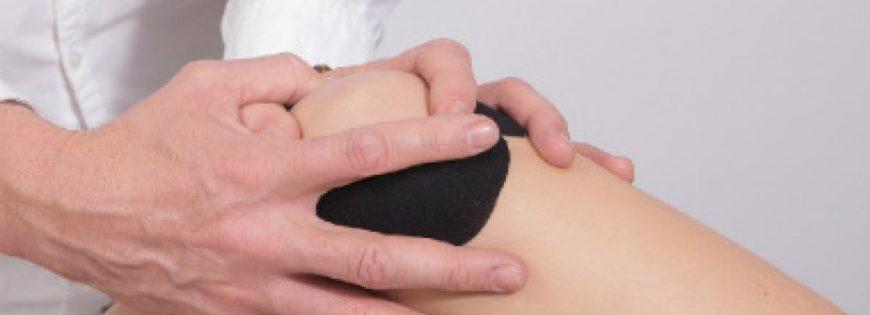
Osteoarthritis of knee joint contributes to nearly 80% of total osteoarthritis burden and it majorly affects the quality of life. The condition similar to Osteoarthritis has been described as ‘Sandhigatavata’ in Ayurveda, in which the vitiated Vata afflicts the joints and causes destruction of the cartilages and reduction in the Synovial Fluid inside the joint capsule, leading to swelling which results into painful movement.
Cause:
- Overuse of a jointConsumption of dry, cold or stale food.
- Irregular sleeping habits.
- Suppression of natural urges.
- Exposure to severe cold, and dry weather.
- Obesity, hyper mobility, orthopaedic-deformities, endocrine disorders.
Clinical features:
Vague pain and stiffness in the knee joint especially after getting up from the sitting posture. Feels Disability while walking down stairs. Crepitus (cracking sound) may be elicited.
OA in Ayurvedic Understanding:
OA is a basically a diseases with asthidhatukashaya. OA is more severe in vata prakruthi individual, and vatakala, on close ayurvedic understanding kha guna of asthi is lost in OA leading to degeneration of the joint, preethvi mahabhoota related to sara bhava of asthi is gradually undergoing less. Mainly vata dosha get vitiated at asthi dhatu.
Panchakarma Therapies which helps:
- Snighdha virechana according to strength is beneficial
- Thikta rasa ksheer basti
- Janu basti
- Janulepan
Internal herbal medication
- Vidaryadi kwath
- Rasnapanchakam kwath
- Rasna saptakam kwath
- Laksha guggulu
- Praval bhasam
Do’s:
- Intake of Madhura (sweet), Amla (sour), Lavana (salt) and Snigdha (unctuous) food, Garlic,Ginger, Hingu, Black pepper etc
- Regular habit of Exercising maintaining optimum weight.
- Avoiding excessive repetitive motions.
- Healthy diet.
- Protecting an injured joint from further damage.
Don’ts:
- Long fasting and excess of heavy food.
- Awakening at night (Ratri jagaran).
- Vega-vidharana (suppression of natural urges).
- Stress.
- Prolonged standing.
- Over exertion and injury to joints.